Control the Rate of Reactions and Regulate Cell Processes
Control the rate of reactions Regulate cell processes used to form bones and muscles transport substances into and out of the cell help fight diseases. Which of the following is not a function of proteins.

Control Of The Cell Cycle Biology I
Store and transmit heredity b.
. Proteins Functions of Proteins. Help to fight disease D. Meat poultry eggs beans soy nuts peanut butter enzymes one of the most important biomolecules Nitrogen makes it different.
Help to fight disease c. Which of the following is NOT a function of proteins. Covalent bonds called peptide bonds link amino acids together to form a polypeptide.
Carbohydrates such as glucose are used for immediate energy by cells. Proteins are the functional portions of living things and are different in each type of organism. Move substances into or out of cells 1 See answer Advertisement.
They function to control the rate of chemical reactions regulate cell processes and form structural components like bone and muscle and transport substances into or out of cell. What are the functions of carbohydrates Short term energy source glucose in respiration. Carry and transmit genetic information.
An amino group -NH2 and a carboxyl group -COOH. Which of the following is NOT a function of proteins. Proteins organisms use proteins to control the rate of reactions and regulate from BIOLOGY MISC at Harvard University.
Move substances into or out of cells C. Help to fight disease c control the rate of reactions and regulate. Does protein control the rate of reactions and regulate cell processes.
Amino Acid Compounds with two ends. Control rate of chemical reactions regulate cell processes Bones and muscles transport things in and out of cells. To fight disease c.
Control the rate of reactions and regulate cell processes d. For all the other things youve listed - help in fighting disease control over the rate of reactions and regulation of cell processes and bone and muscle formations all are example of what proteins do. In which pyruvic acid is broken down into carbon dioxide in a series of energy-extracting reactions adp is changed into.
Proteins control the rate of reactions regulate cell processes form cellular structures carry substances into or out of cells and help fight disease. Control the rate of reactions and regulate cell processes build tissues such as bone and muscle. More complex carbohydrates such as starch and glycogen are used to store glucose for longer periods of time.
Astore and transmit heredity bhelp fight disease ccontrol the rate of reactions and regulate cell processes dused to form bones and muscles Store and transmit heredity is NOT a function of proteins. Enzymes speed up reactions in cells. Build tissues such as bone and muscle.
Store and transmit heredity b. Control the rate of reactions B. What isnt a function of proteins is storage and the transmission of heredity - a.
Control rate of reactions and regulate cell processes. Aerobic cellular respiration is the process that releases energy from food in the presence of ATP. Build tissues such as bone and muscle.
Monomer amino acids. Proteins control the rate of reactions regulat cell processes form cellular from BIO 107 at QSI International School of Haiphong. View Notes - biology4 from BIO 4432 at Texas State University.
Store and transmit heredity b. -Control the rate of reactions -Regulate cell processes -Used to form bones and muscles. Any amino acid can bond with any other.
Store and transmit genetic information Store and transmit genetic information is NOT a function of protein. Does protein control the rate of reactions and regulate call processes. 3 on a question.
Control the rate of reactions and regulate cell processes d. More than 20 different amino acids are found in nature. A protein can control the rate of reaction and regulate the cell processes and from crucial cellular structures or transport substances out or into cells to help battle a disease.
For this job we have DNA and not proteins. Control the rate of reactions D. Polymer proteinpolypeptide chain.
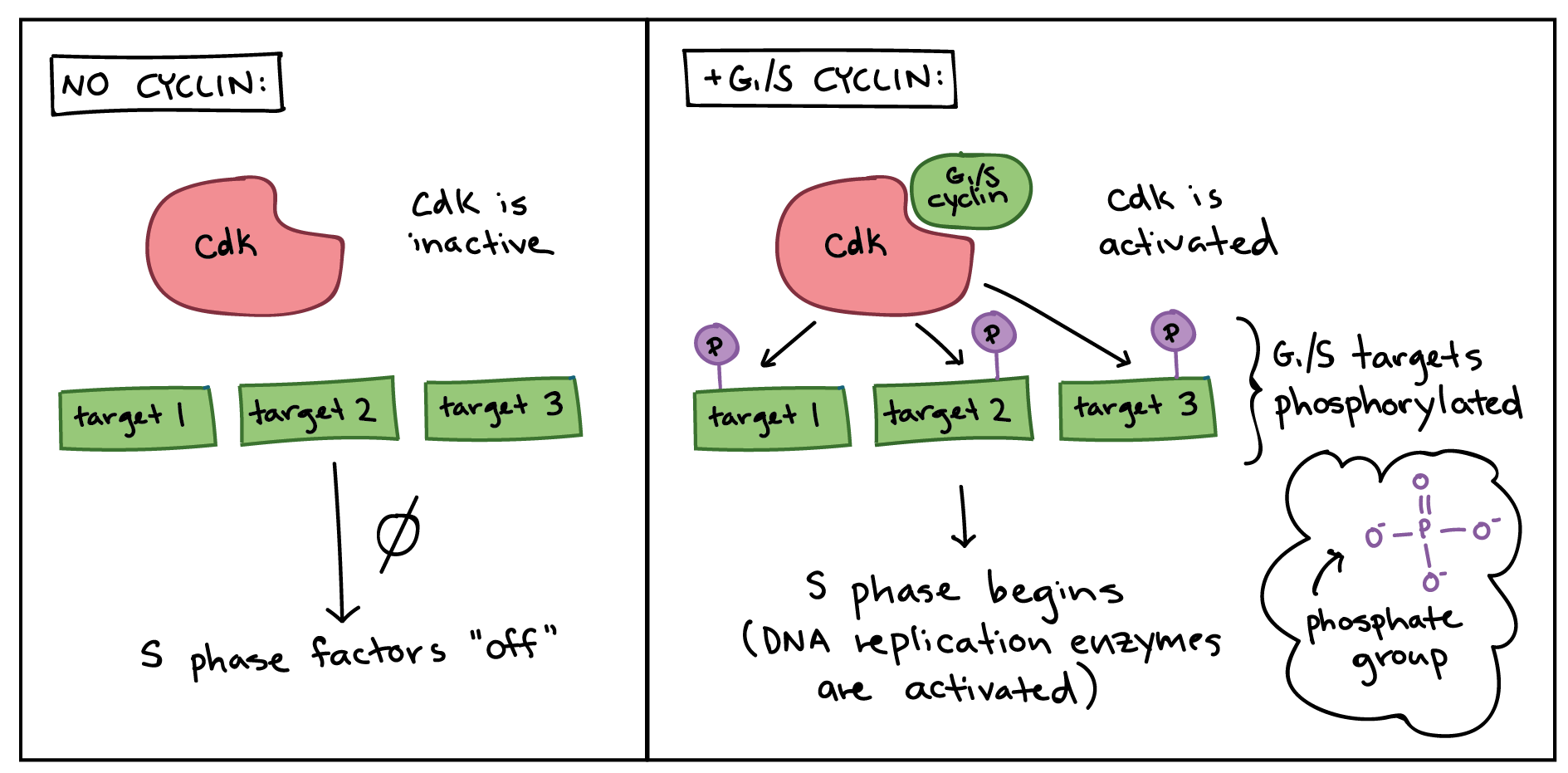
Cell Cycle Regulators Article Khan Academy

Control Of The Cell Cycle Biology I
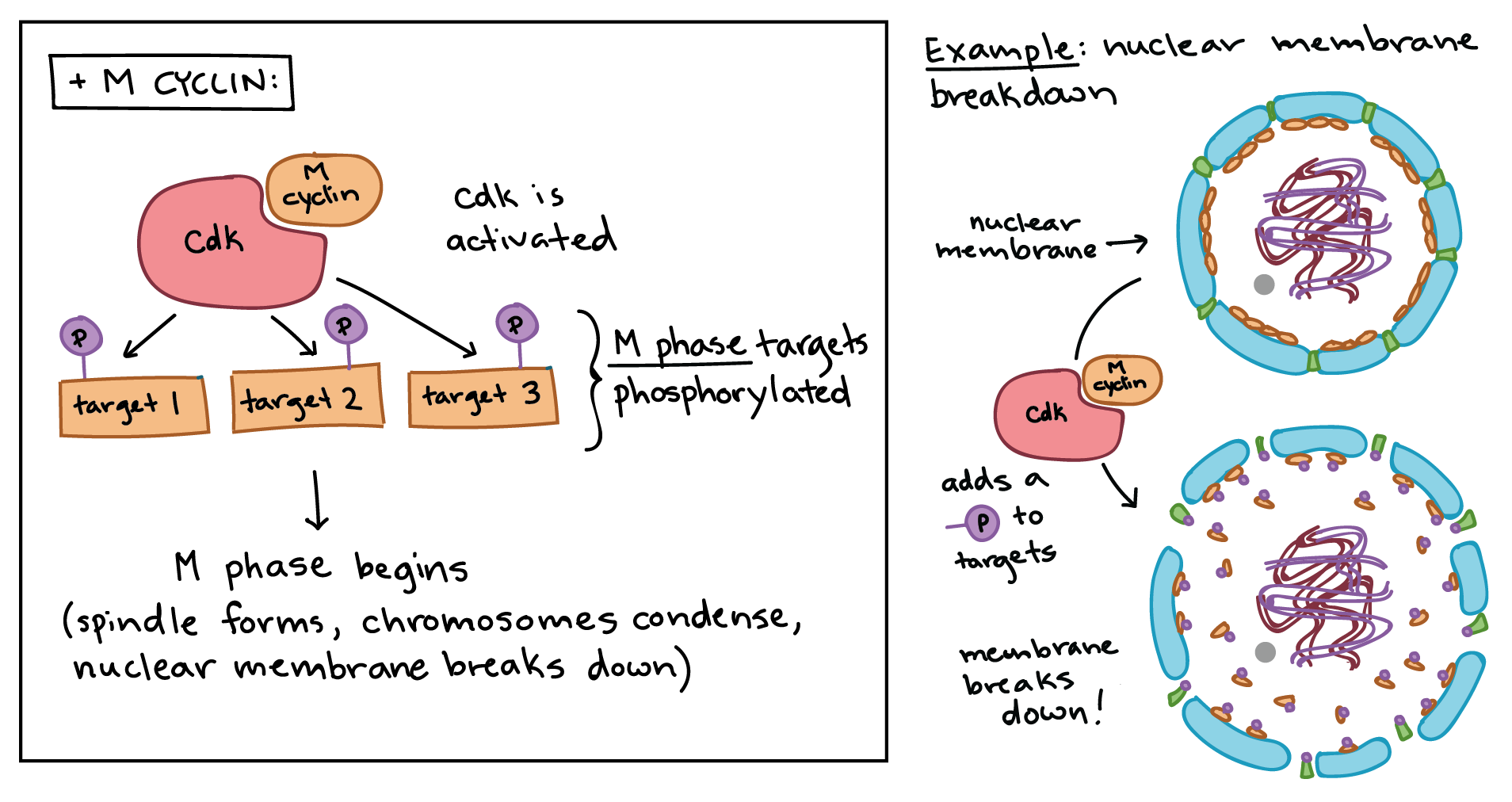
Cell Cycle Regulators Article Khan Academy


Comments
Post a Comment